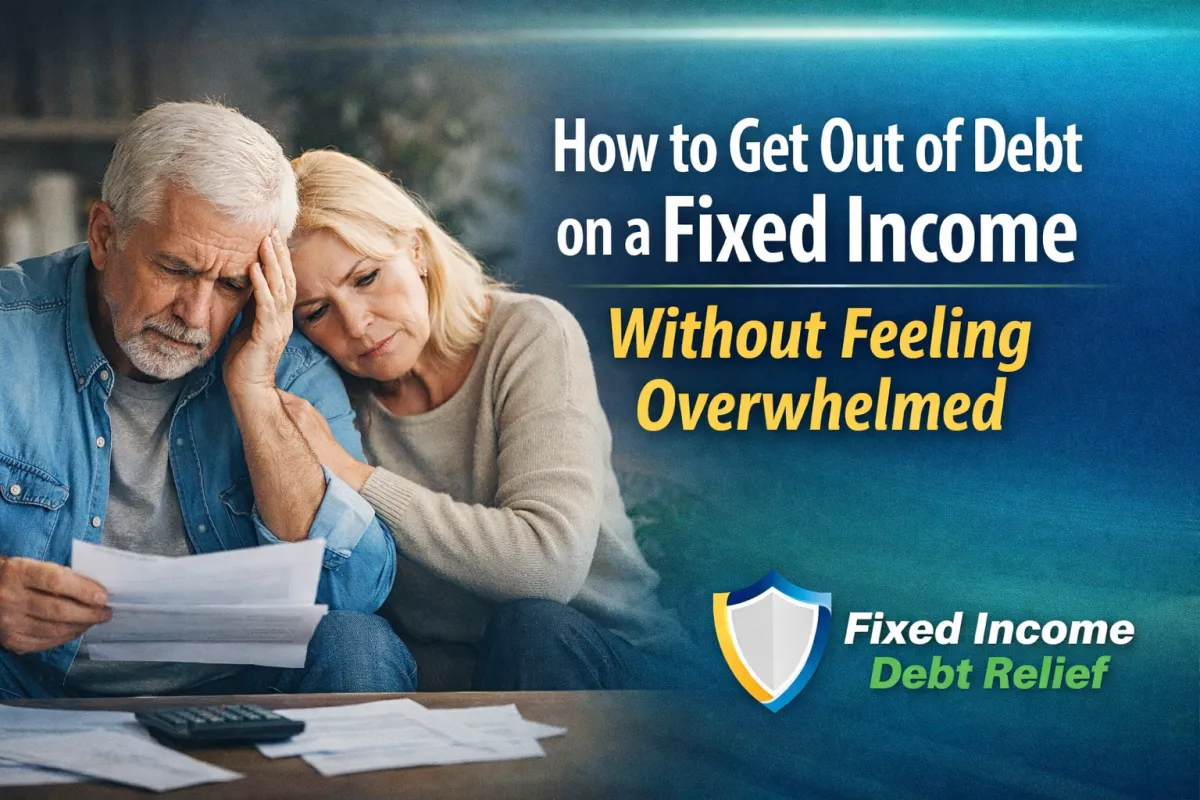
Feeling Trapped by Debt on a Fixed Income
If you are living on Social Security, disability, or a pension, you already know how tight things can feel.
The cost of groceries keeps rising. Medical bills show up unexpectedly. Credit card balances seem to grow even when you are doing your best to keep up. And every month, it can feel like you are choosing which bill matters most.
That feeling of being stuck is not just financial. It is emotional. It can bring stress, embarrassment, and even fear about the future.
But here is the truth most people are not told clearly enough:
You are not out of options, even on a fixed income.
There are realistic, manageable ways to reduce or eliminate your debt without putting your basic needs at risk. This guide will walk you through exactly how to do that, step by step, in a way that feels doable, not overwhelming.
Why Debt Feels Harder on a Fixed Income
Your income does not increase, but expenses do
When you are working, there is at least a possibility of earning more. Overtime, promotions, side income. On a fixed income, what you receive each month is what you have to work with.
But expenses do not stay fixed.
Rent goes up
Food prices rise
Medical needs increase with age
Utilities fluctuate
This creates a gap, and many people use credit cards to fill it.
Minimum payments keep you stuck
Credit cards are designed to keep you paying for as long as possible. You may be making your payments every month and still see your balance barely move.
This is not a personal failure. It is how the system works.
Emotional stress builds quietly
Debt is not just numbers on paper. It affects how you sleep, how you think, and how you feel day to day.
Many people on fixed incomes feel:
Ashamed to ask for help
Afraid of being judged
Worried about losing what little stability they have
Understanding this is important, because the solution is not just financial. It is also about reducing that emotional weight.
The First Step: Get a Clear Picture Without Panic
Before you can move forward, you need to know exactly where you stand. This does not have to be complicated.
Write down three simple things
Total monthly income
Total monthly expenses
Total debt balances
Do not worry about making it perfect. The goal is clarity, not perfection.
Focus on essentials first
Make sure your basic needs are protected:
Housing
Food
Utilities
Medication
These always come before unsecured debt like credit cards.
If you are currently sacrificing essentials to pay debt, that is a sign your situation needs adjustment.
What Not to Do When You Are Overwhelmed
When debt feels heavy, it is easy to make decisions out of panic. Some options can actually make things worse.
Avoid taking on more debt to solve debt
It might feel like a quick fix, but adding another loan or using one credit card to pay another usually deepens the problem.
Be cautious with minimum payment traps
Paying only the minimum keeps you in a long cycle where interest eats up most of your payment.
Do not ignore the problem
It is tempting to avoid calls or letters, but ignoring debt does not make it disappear. It often leads to more stress later.
Real Options That Work for Fixed Income Households
Now let’s focus on what actually helps.
1. Budget adjustments that do not feel restrictive
You do not need an extreme budget. You need a realistic one.
Look for small, sustainable changes:
Reduce unused subscriptions
Ask about senior discounts
Review insurance plans for savings
Adjust grocery habits without sacrificing nutrition
These changes create breathing room, even if it is small at first.
2. Hardship programs from creditors
Many creditors have hardship options, but they do not always advertise them.
You can ask for:
Lower interest rates
Reduced monthly payments
Temporary payment pauses
These programs are designed for situations like yours, especially if your income is fixed.
3. Debt settlement for significant balances
If your debt has reached a point where minimum payments are no longer realistic, debt settlement may be an option.
This approach works by negotiating with creditors to reduce the total amount you owe.
For people on fixed incomes, this can:
Lower total debt
Create a structured plan
End the cycle of growing balances
It is not about avoiding responsibility. It is about finding a realistic way to resolve debt based on what you can actually afford.
4. Protecting your income
In many cases, Social Security income has protections from certain types of collections.
Understanding your rights can reduce fear and help you make clearer decisions.
You do not have to agree to payments that leave you unable to cover basic living expenses.
A Simple Step-by-Step Plan to Start Today
If you are feeling overwhelmed, do not try to fix everything at once. Follow this simple path.
Step 1: Stabilize your essentials
Make sure your housing, food, and healthcare are covered first.
Step 2: Review your debt honestly
Know your numbers, even if they feel uncomfortable. Clarity reduces anxiety over time.
Step 3: Explore realistic solutions
Look into hardship programs or debt settlement based on your situation.
Step 4: Take one action
This could be:
Calling a creditor
Writing down your budget
Learning about a relief program
Progress starts with one step, not a complete overhaul.
What Relief Actually Feels Like
Many people hesitate because they are unsure what happens after they take action.
Relief does not mean everything changes overnight. But it does mean:
Fewer collection calls
A clearer plan
Lower monthly pressure
A sense of control returning
And perhaps most importantly, it means you can start focusing on your life again, not just your debt.
You Are Not Alone in This
Millions of people on fixed incomes face the same challenges.
Rising costs, unexpected expenses, and limited income create a situation that is difficult, but not hopeless.
There is no shame in needing help. In fact, recognizing the problem and looking for solutions is one of the strongest steps you can take.
When It Makes Sense to Ask for Help
If any of these sound familiar, it may be time to explore a structured debt relief option:
You are using credit cards for basic expenses
Your balances are not going down
Minimum payments feel unmanageable
You feel constant stress about bills
You do not have to figure this out alone.
The Bottom Line
Getting out of debt on a fixed income is not about drastic sacrifices or unrealistic plans.
It is about:
Understanding your situation clearly
Protecting your essential needs
Choosing solutions that match your reality
Taking steady, manageable steps forward
You deserve financial stability, peace of mind, and a plan that works for your life, not against it.
Take the First Step Toward Relief
If you are ready to explore a realistic way to reduce your debt and ease monthly stress, learn what options may be available for your situation.
Visit https://fixedincomedebtrelief.com/ to see how you can start moving toward financial relief today.